
Best Time to Visit Nepal
- Eric
- Last Updated : 06/20/2026
Nepal is often called the “Kingdom of Snow Mountains,” and its most captivating attraction is the snow-capped Himalayas that can be admired throughout the year. Renowned as one of the world’s best destinations for hiking, Nepal offers exciting cultural tours and soft-adventure trekking experiences. In addition to its majestic landscapes, the country is rich in historical and cultural heritage. Visitors can also enjoy thrilling river rafting, wildlife safaris, and scenic mountain views. But when is the best time to visit Nepal?
At a Glance
| Travel Purpose | Best Time |
|---|---|
| Pleasant weather | late Sep - Nov |
| Trekking | Mar - May, Oct - Nov |
| Wildlife Safari | Dec - Apr |
| Festivals | Sep - Nov |
Content Preview
Best Time to Visit Nepal
Based on our experience, the most favorable time to visit Nepal is autumn (late September to November), when weather conditions are generally clear and ideal for trekking and sightseeing. Spring (March to May) is also highly recommended for outdoor activities. Winter (December to February) offers cold but stable conditions suitable for cultural tours and lower-altitude travel. The pre-monsoon month of June can still be a transitional travel period, while the monsoon season (July to early September) brings heavy rainfall and is generally less suitable for most travel plans. September is generally a transitional month, especially in late September, when rainfall gradually decreases and autumn trekking conditions begin to improve.
Climate in Nepal
Geographic Influence on Climate
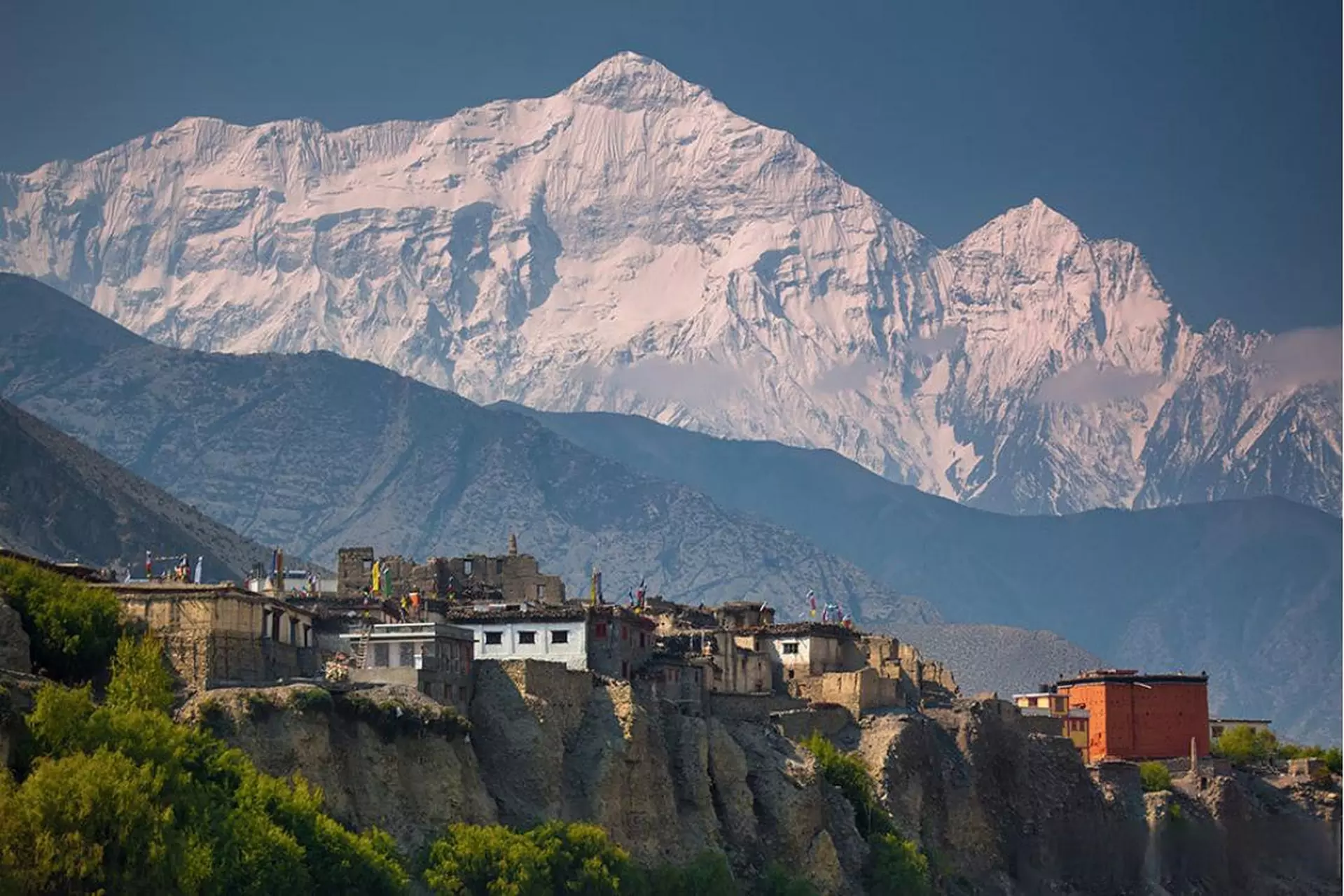
Nepal features dramatic geographic variation, ranging from the Himalayan peaks in the north, including Mount Everest (8,848 m), to the low-lying Terai plains in the south at around 70 m above sea level. This sharp altitude difference strongly influences the country’s climate.
As a result, Nepal experiences multiple climatic zones, from tropical and subtropical regions in the south to alpine and tundra conditions in the north.
Seasonal Climate Overview
Nepal has two main seasons: the monsoon season (mid-June to early September) and the dry season (the rest of the year). The monsoon brings heavy rainfall that may affect travel, while the dry season is generally more suitable for most visits.
Climate conditions also vary by altitude: the Himalayas remain cold year-round, the central valleys are moderate, and the southern Terai plains can become very hot in summer, often exceeding 40°C.
Seasons in Nepal
In general travel discussions, Nepal is usually described as having five main seasons: spring, pre-Monsoon, monsoon, autumn, and winter. Each season offers different experiences for travelers. Below is a brief overview of Nepal’s five seasons.
Spring (March-May)
Spring in Nepal lasts from March to May and is widely regarded as one of the best seasons to visit the country. During this period, temperatures gradually rise after the winter months, creating comfortable conditions for sightseeing and trekking.
One of the highlights of spring is the spectacular blooming of rhododendrons, Nepal’s national flower. From March to May, hillsides and mountain forests burst into shades of red, pink, and white, particularly along popular trekking routes in the Annapurna and Everest regions. Longer daylight hours and generally stable weather also make this season ideal for outdoor adventures.
Daytime temperatures in Kathmandu and Pokhara are pleasant, while higher-altitude destinations such as Namche Bazaar remain cool, especially at night. Travelers should still bring warm clothing for evenings and early mornings in the mountains.
Spring is also a vibrant cultural season. Visitors during this time may experience colorful festivals such as Holi in March and the Nepalese New Year in April. With blooming landscapes, clear mountain views, and lively local celebrations, spring offers a wonderful balance of nature and culture for travelers in Nepal.

Pre-Monsoon Season (June)
June marks the beginning of summer in Nepal and the transitional period just before the arrival of the monsoon in July and August. During this time, temperatures gradually rise, especially in lowland regions such as Chitwan and the Terai plains, where conditions can become hot and humid. In Kathmandu and Pokhara, the weather remains warm but still manageable for travel.
This period offers relatively quieter trails compared to the peak trekking seasons, making it appealing for travelers who prefer fewer crowds. Higher-altitude trekking is still possible, although mountain views may occasionally appear hazy due to increasing humidity and dust in the atmosphere.
June is also when Nepal’s landscapes start turning lush and green. Wildlife viewing in national parks such as Chitwan can be rewarding, as animals are often easier to spot near water sources during warmer conditions. Occasional pre-monsoon showers may occur, typically in the late afternoon or evening, so light rain protection is recommended.
Monsoon Season (July – Early September)
The monsoon season in Nepal lasts from July to early September, when moist winds from the Indian Ocean bring frequent and heavy rainfall across most of the country. These are typically the wettest months of the year.
Travel conditions can be affected during this period. Mountain views are often obscured by clouds, and trekking routes in popular regions such as Annapurna and Everest may become muddy, slippery, and more challenging to navigate. In some areas, landslides can also disrupt transportation.
Despite these limitations, the monsoon season has a distinctive appeal. The countryside becomes exceptionally green, rivers and waterfalls are at their most powerful, and tourist numbers drop significantly compared to peak seasons, offering a quieter travel experience.
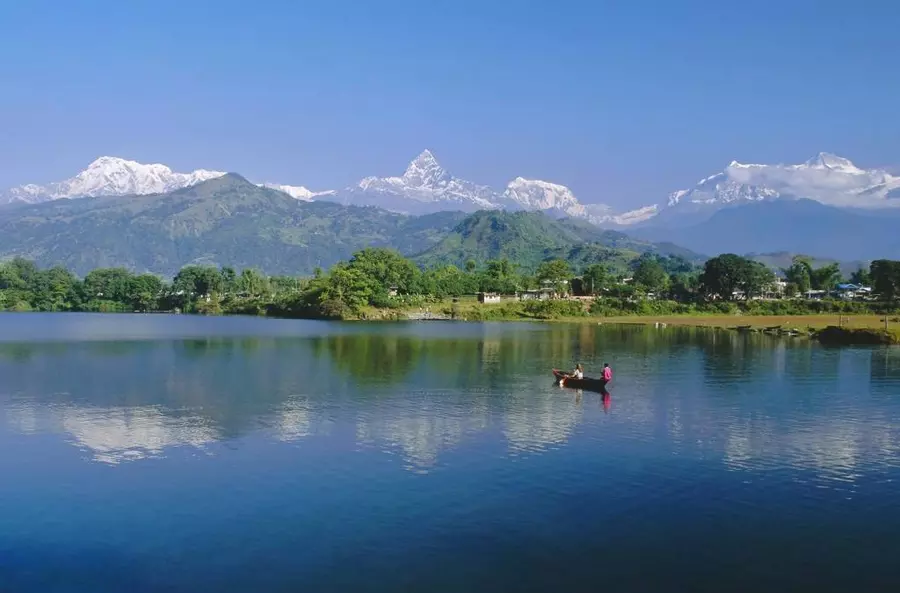
Trekking is still possible in Nepal’s Himalayan rain shadow regions, where rainfall is much lighter. Destinations such as Upper Mustang, Dolpo, and Nar Phu Valley remain relatively dry and are among the best choices for monsoon trekking.
Rain typically falls in the afternoon or evening rather than continuously throughout the day. Travelers visiting during this season should prepare with waterproof clothing, quick-drying gear, and suitable footwear for wet and slippery conditions.
Autumn (Late September - November)
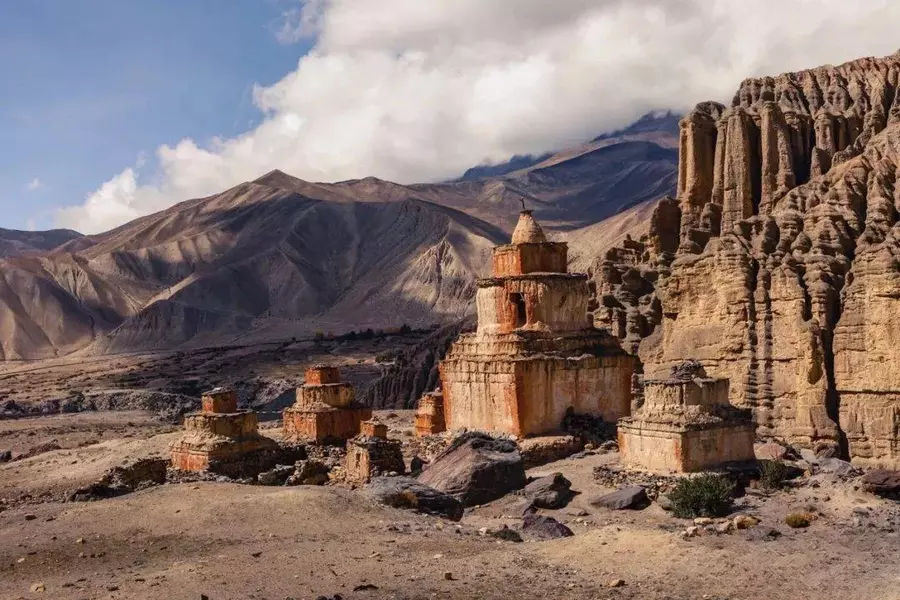
Autumn in Nepal lasts from late September to November and is widely considered the best season to visit the country. After the monsoon rains end, the skies become clear and blue, offering spectacular views of the Himalayas and surrounding valleys. The weather is dry and stable, making it the most popular time for trekking and outdoor adventures.
Temperatures during autumn are generally mild and comfortable. In Kathmandu, the average temperature is around 20 °C in October and drops to about 15 °C in November. In higher-altitude destinations such as Namche Bazaar, temperatures are cooler, averaging around 7 °C in October and falling to about 2.9 °C in November. Travelers planning to visit mountainous areas should bring warm clothing, especially for the evenings and early mornings.
Autumn is also Nepal’s most festive season. Major celebrations such as Dashain and Tihar take place during this time, offering visitors a wonderful opportunity to experience local traditions and cultural life. With clear mountain views, comfortable temperatures, and vibrant festivals, autumn provides some of the most rewarding travel experiences in Nepal.
Winter (December-February)
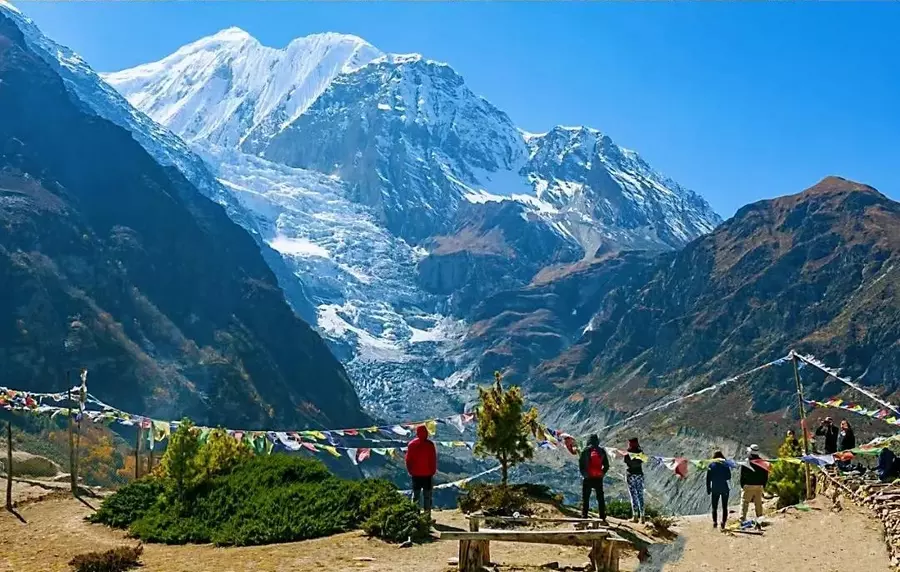
Winter in Nepal lasts from December to February. During this season, temperatures drop across the country, especially in the mountainous regions where nighttime temperatures can fall below freezing. In higher-altitude areas, some trekking routes may experience snow and colder conditions.
In cities such as Kathmandu and Pokhara, however, winter days are usually clear and sunny, making it a pleasant time for sightseeing and cultural tours. The skies are often very clear after the autumn season, which can provide beautiful views of the surrounding mountains. Because it is the off-peak travel season, many popular attractions and trekking routes are also quieter.
Winter is also a good time to visit Nepal’s southern lowlands. Places such as Chitwan National Park and Bardia National Park enjoy mild and comfortable temperatures during this period. Wildlife viewing can be particularly rewarding, as animals are often more active and the vegetation is thinner, making them easier to spot.
Travelers planning to visit Nepal in winter should bring warm clothing, especially if they intend to travel to higher-altitude destinations. With proper preparation, winter can offer peaceful travel experiences, clear mountain views, and excellent opportunities for cultural exploration.
Monthly Temperatures of Key Destinations
Below are the average monthly temperatures for key destinations including Kathmandu, Pokhara, Chitwan National Park, and Namche Bazaar (Sagarmatha National Park).
| Months | Kathmandu | Pokhara | Chitwan National Park | Namche Bazaar |
|---|---|---|---|---|
| January | 9°C | 13.1°C | 16.2°C | -0.8°C |
| February | 12°C | 14.9°C | 18.4°C | 0°C |
| March | 16°C | 15.5°C | 23°C | 3.5°C |
| April | 20°C | 23°C | 27.1°C | 6.7°C |
| May | 22°C | 24.1°C | 28.2°C | 6.8°C |
| June | 23°C | 25.2°C | 28.8°C | 10.7°C |
| July | 22°C | 25.3°C | 28.2°C | 11.7°C |
| August | 22°C | 25.2°C | 28.4°C | 11.7°C |
| September | 22°C | 24.1°C | 28.2°C | 10.1°C |
| October | 20°C | 21.6°C | 26.5°C | 7°C |
| November | 15°C | 17.5°C | 22.4°C | 2.9°C |
| December | 11°C | 13.8°C | 17.7°C | 0.5°C |
Best Time to Travel by Themes
The best time to travel to Nepal partly depends on the type of trip you plan. If you simply want to explore Kathmandu and its cultural heritage, the city can be visited throughout the year. However, if your itinerary includes trekking, rafting, wildlife safaris, or mountaineering, choosing the right season becomes more important.
The Best Time to Visit Kathmandu
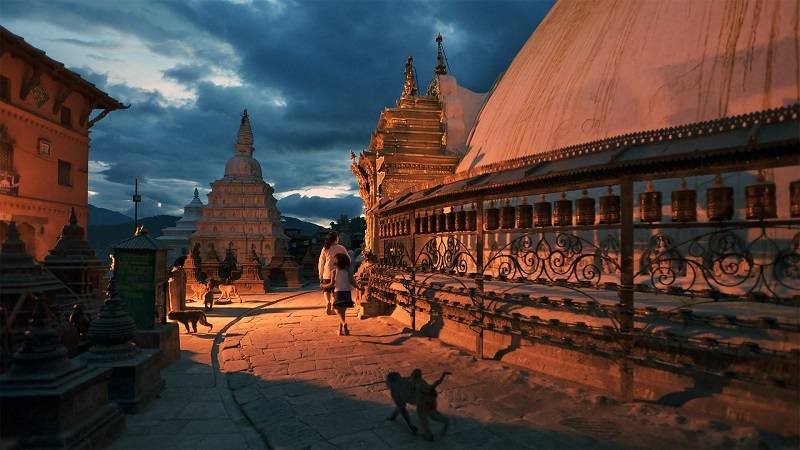
The best times to visit Kathmandu are from March to April and from September to November, when the weather is pleasant and conditions are ideal for sightseeing.
Kathmandu is the starting point for most Nepal tours and can be visited throughout the year. However, winter months such as December and January can be quite cold, which may affect travel comfort.
The Best Time for Trekking in Nepal
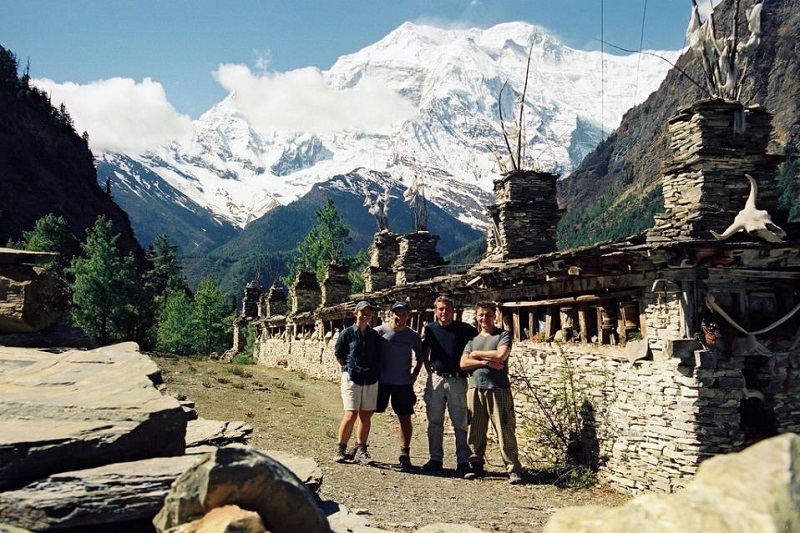
The best months for trekking in Nepal are March to May and October to November, when the weather is most stable and mountain views are clearest.
These seasons are suitable for most trekking routes, including Everest Base Camp, the Annapurna Circuit, and Poon Hill. High-altitude treks are generally not recommended during the coldest winter months—December, January, and February—when temperatures drop sharply and some trails may become challenging.
The Best Time for Wildlife Safaris
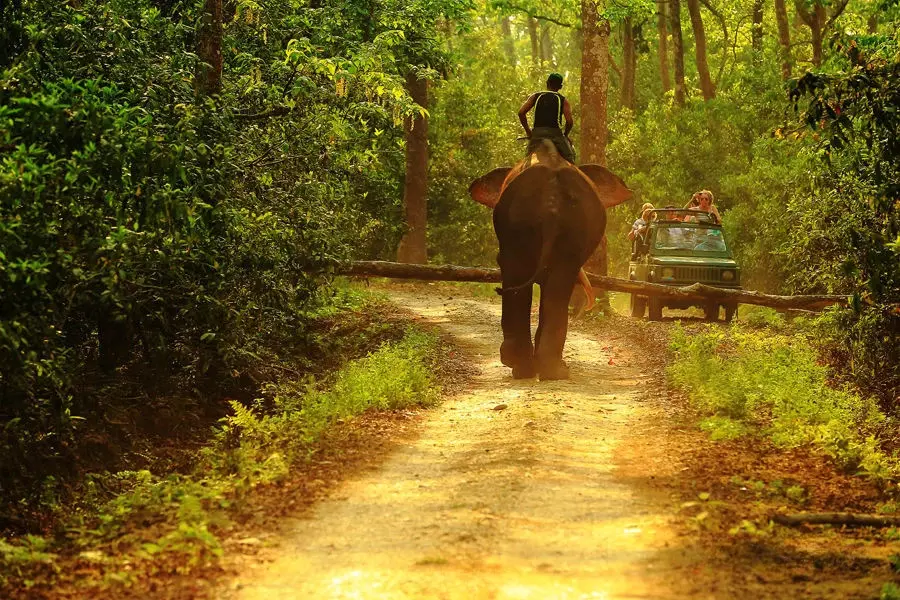
Wildlife safaris in Nepal are best enjoyed from October to April, when the weather is dry and vegetation is thinner, making animals easier to spot. Winter months are particularly popular for visiting Chitwan National Park and Bardia National Park, where travelers may see one-horned rhinoceroses, deer, crocodiles, and a variety of bird species.
The monsoon season is generally less favorable for wildlife viewing, as heavy rainfall and dense vegetation can reduce visibility and affect safari activities.
The Best Time for Festival Tours
The main festival season in Nepal runs from September to November, when many of the country’s most important celebrations take place.
During this period, festivals such as Dashain and Tihar are celebrated nationwide, offering visitors a rich cultural experience. Since many Nepali festivals follow the lunar calendar, travelers are advised to check exact dates in advance.
Conclusion
Nepal can be visited year-round, but each season offers something unique. Autumn brings clear skies and festivals, spring offers blooming rhododendrons and pleasant trekking, summer is warmer with fewer crowds, monsoon transforms the landscapes with lush greenery, and winter provides clear mountain views and quiet trails. Choose your season based on your interests, and with proper preparation, Nepal promises an unforgettable journey.
Email response within 0.5~24 hours.