A Journey to Lhasa | A Poem on the Snowy Plateau
Stepping into Lhasa
feels like entering a poem composed atop the snow-capped peaks.
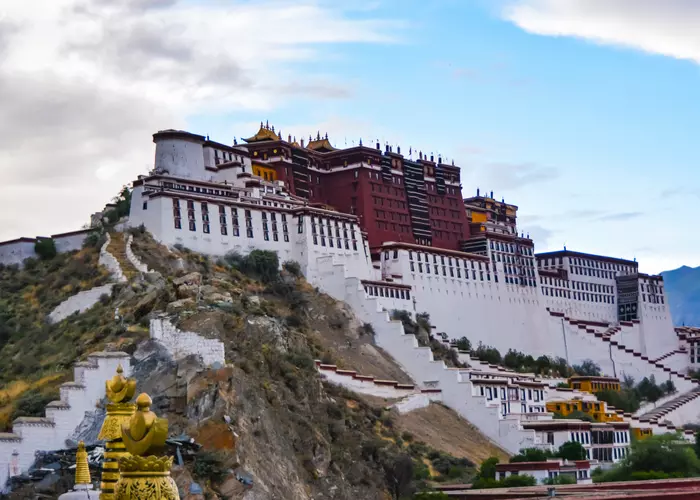
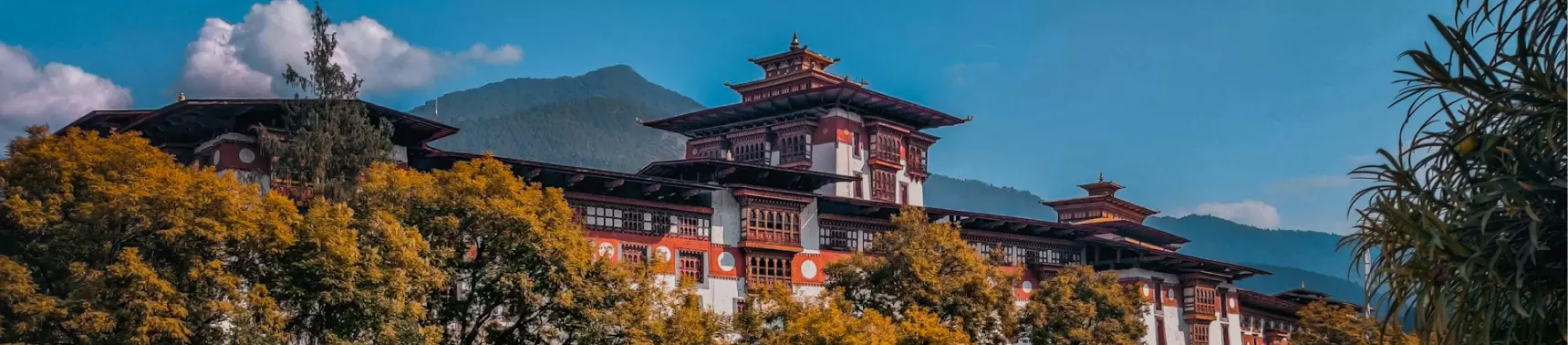
We ascended the Potala Palace,
gazing out from the summit of the Red Hill across the winds of a thousand years.
We entered the Jokhang Temple,
where, amidst golden rooftops and the curling smoke of incense, we felt the profound power of faith.
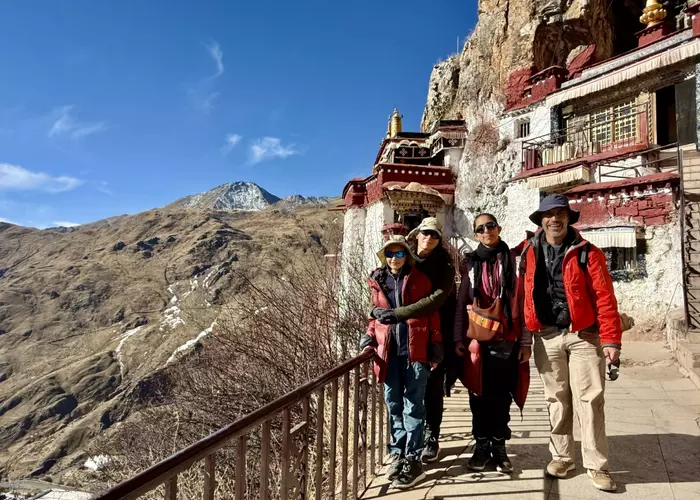
We explored secluded meditation caves—
quiet, solitary sanctuaries—
offering a glimpse into the inner worlds of those who pursue the spiritual path.
And the monastic debates at Sera Monastery—
these were perhaps the most unforgettable moments of the entire journey.
Within the ancient monastery,
monks draped in crimson robes sat upon the ground,
engaged in a rhythmic exchange of questions, critical inquiry, and sharp, resounding claps.
Each crisp, forceful clap—
a collision of intellect meeting intellect—
offered a vivid, tangible encounter with the deep-rooted cultural traditions of Tibetan Buddhism.
Especially noteworthy on this trip
was our guide, Tsecheng Lusha.
A native Tibetan,
he is fluent in both Chinese and English.
What made his guidance truly exceptional was that he shared more than just facts about tourist sites;
he shared the life and stories of his own people.
From the customs and traditions of the Tibetan people
to the nomadic culture of the vast grasslands;
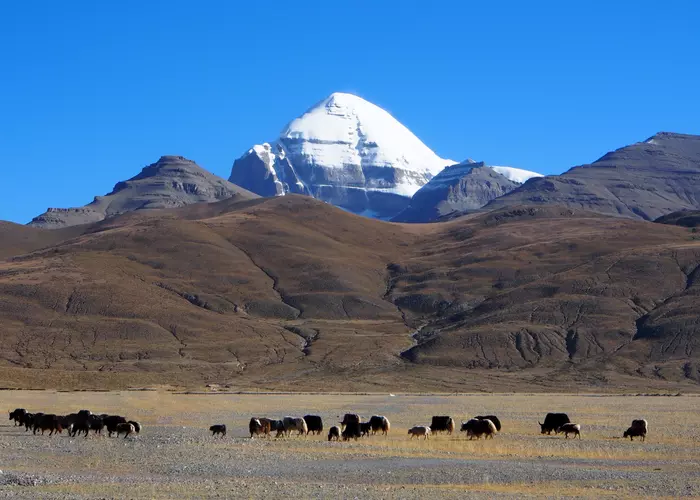
from yaks and pastures
to the monasteries, the faith, and the rhythms of daily life—
through his personal perspective as a Tibetan,
he revealed the Tibet that lies beyond the "tourist attractions."
Because of his insights,
the Potala Palace became more than just a palace,
the Jokhang Temple more than just a temple,
and the debates at Sera Monastery more than just a spectacle for visitors.
What we witnessed
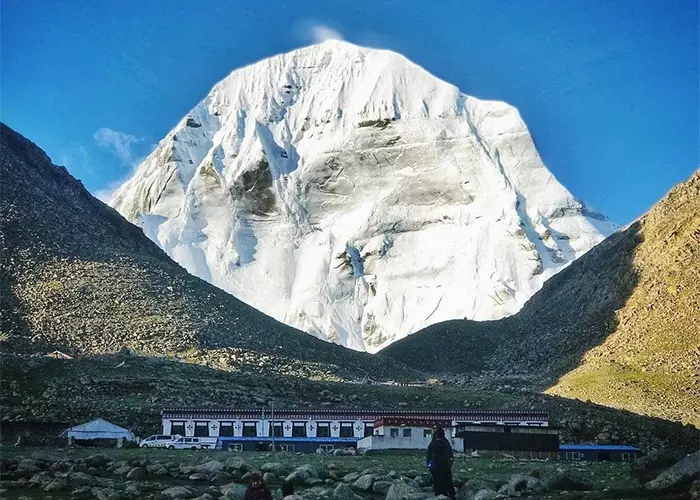
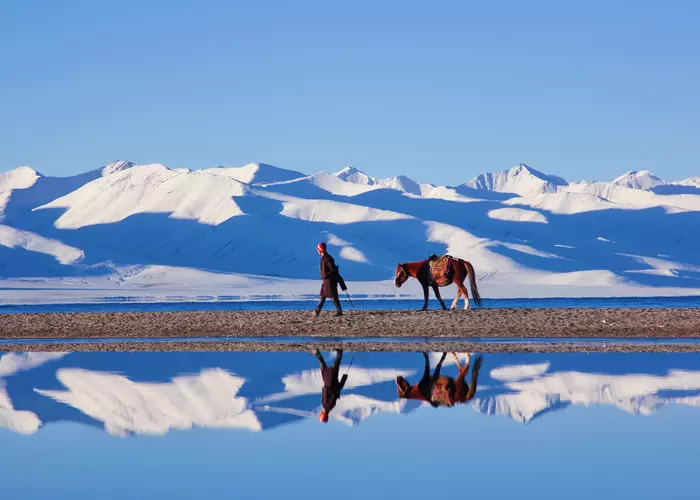
was a way of life deeply intertwined with snow-capped mountains, sweeping grasslands, and enduring faith;
what we felt
was the vibrant, living pulse of an ancient civilization
that has traversed the ages, yet remains as vital as ever.
We are grateful to Tsecheng Lusha for his professionalism, patience, and sincerity throughout the journey.
Thanks to him, our trip to Lhasa was not merely a chance to "see" Tibet,
but an opportunity to truly "understand" a little more of it. The snow-capped mountains are silent, yet the monasteries speak;
what one sees along the way is scenery,
what one hears is culture,
and what one realizes is a journey of the soul.
Lhasa—we have been here.
And the memories left behind by this high plateau
may, long into the future,
still remain in the heart—
warm and bright, like the sun.
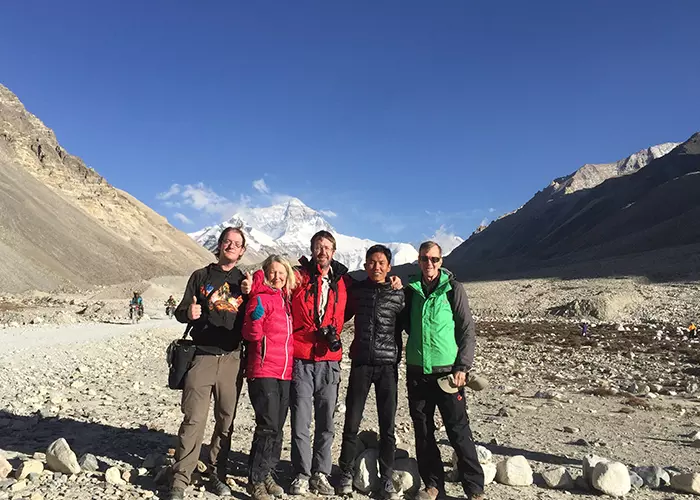
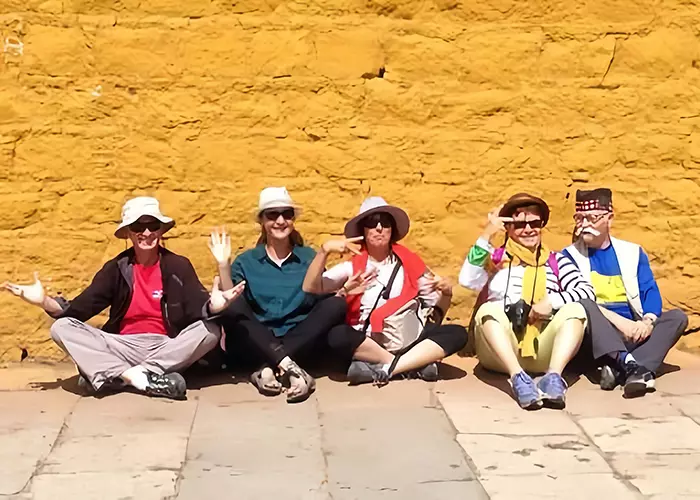
I am well, thank you. It turned out to be a great trip.
I have two excellent guides and the driver. Especially as Lakdun (not sure how to spell her name) was there to help me at the airport when my flight got cancelled.
You might also be interested to know that I run spiritual retreats and pilgrimages around the world. And I have already considered the possibility of organizing a group of around 10 to come to Tibet in the future. That would depend to a degree on China changing its visa regulations for UK residents, as they are for the EU. Because it was quite a challenge to get both the visa and permit for someone living in the UK. If you hear of that changing, do let me know.
My Tibet travel was fine, except for losing the permission from the Beijing hotel.
My guide is very friendly, and knows a lot about the temple and Buddhism.
Also drivers and vehicles are fine, too.
Someday I'll visit Tibet again.
At that time, I'll ask you again.