
Is It Safe to Travel to Tibet? Things You Should Know Before Visiting
- Eric
- Last Updated : 05/22/2026
Tibet is a safe destination for travelers. Violent crime is very rare, and most visitors complete their journey without any major issues. However, due to its high altitude, mountainous terrain, and specific travel regulations, visitors should be well prepared before traveling. With proper planning and a guided itinerary, most travelers can enjoy a smooth and safe experience in Tibet.
Content Preview
- 1. Altitude Sickness in Tibet
- 2. Is Tibet Safe in Terms of Crime?
- 3. Is Tibet Safe for Solo and Female Travelers?
- 4. Road Safety and Transportation in Tibet
- 5. Food, Water, and Hygiene in Tibet
- 6. Travel Etiquette and Local Customs
- 7. Medical Facilities and Health Support in Tibet
- 8. Is Tibet Politically Safe for Foreigners?
- 9. Wildlife Safety in Tibet
- Conclusion
1. Altitude Sickness in Tibet
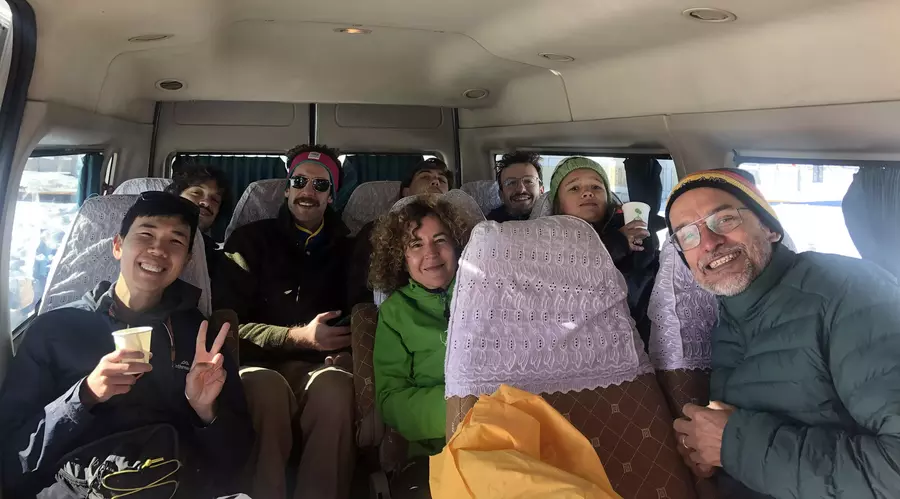
Altitude sickness is one of the biggest concerns for travelers visiting Tibet, but in most cases, it is manageable and less serious than many people imagine. Since most areas in Tibet are between 3,600 and 5,000 meters above sea level, mild symptoms during the first 24–48 hours are fairly common, especially after arriving in Lhasa.
Some travelers may experience headaches, dizziness, shortness of breath, mild nausea, or fatigue while adjusting to the altitude. For most people, these symptoms gradually improve after proper rest and acclimatization.
To reduce the risk of altitude sickness, it is recommended to take it easy during the first 1–2 days in Tibet, avoid strenuous activity, stay hydrated, keep warm, and avoid alcohol. In many cases, using supplemental oxygen can help relieve symptoms of altitude sickness.
Travelers with serious heart disease, severe hypertension, or other major medical conditions should consult a doctor before traveling to Tibet. If severe symptoms such as persistent breathing difficulty or chest pain occur, medical attention should be sought immediately.
2. Is Tibet Safe in Terms of Crime?
Yes. For most travelers, Tibet is generally considered a safe travel destination. Violent crime is rare, and the overall social environment is relatively stable. Many visitors feel comfortable traveling in Lhasa and other major tourist areas.
Local Tibetan people are often friendly and welcoming to visitors. In popular tourist areas such as Barkhor Street in Lhasa, walking around during the evening is usually safe under normal circumstances.
Of course, as with traveling anywhere else, visitors should follow standard travel precautions, such as keeping an eye on personal belongings in crowded places like train stations, airports, and busy commercial areas.
3. Is Tibet Safe for Solo and Female Travelers?
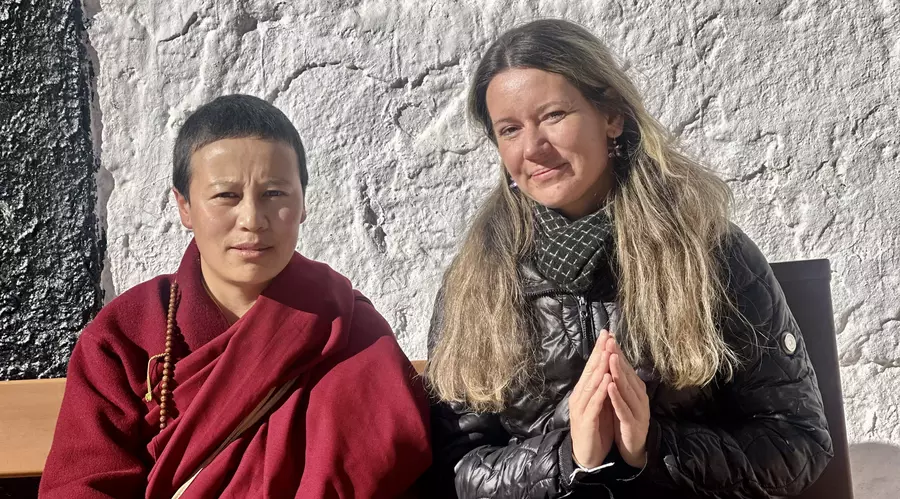
Yes. Tibet is considered a safe destination for both solo and female travelers. While independent travel in Tibet is not allowed for foreign visitors, all trips must be arranged through a licensed local travel agency with an approved guide and transportation. This organized system actually provides an additional layer of safety and convenience throughout the journey.
Many solo travelers choose Tibet tours and complete their trips smoothly without difficulties. The presence of a guide and pre-arranged itinerary helps reduce common travel risks such as transportation issues or route navigation challenges.
For female travelers, Tibet is also considered comfortable and safe. As with any destination, it is recommended to follow normal precautions, such as avoiding isolated areas late at night and keeping personal belongings secure. When visiting monasteries and religious sites, modest clothing is appreciated as a sign of respect for local customs.
4. Road Safety and Transportation in Tibet
Over the past few decades, road conditions in Tibet have improved significantly, making travel to the region much safer and more comfortable than in the past. Well-maintained highways, such as the China–Nepal Friendship Highway connecting Lhasa and the Gyirong border, offer smooth routes through some of the most spectacular high-altitude landscapes.
However, many roads in Tibet are still located in mountainous areas, with narrow sections, sharp bends, and long driving distances between destinations. Weather conditions can also affect travel safety, especially during the rainy season when landslides may occur, or in winter when some roads may be icy or temporarily closed.
Traffic regulations in Tibet are strict, with speed limits and monitoring systems widely in place. Most vehicles are equipped with speed control devices, and drivers are required to follow safety rules closely. These measures help ensure safer travel, even on long-distance routes to remote destinations such as Everest Base Camp.
Because travel in Tibet often involves long hours on the road combined with high altitude conditions, fatigue can be a concern. For this reason, self-driving is generally not recommended for foreign travelers. In addition to complex permits and route regulations, driving at high altitudes may cause tiredness or reduced concentration.
5. Food, Water, and Hygiene in Tibet
Tibetan cuisine has a unique flavor and is an important part of the local culture. However, for many international travelers, the taste and ingredients may feel quite different from what they are used to in daily life. In larger cities such as Lhasa, there are also a growing number of restaurants offering a variety of Chinese, Nepali, and Western-style dishes, providing more options for foreign visitors.
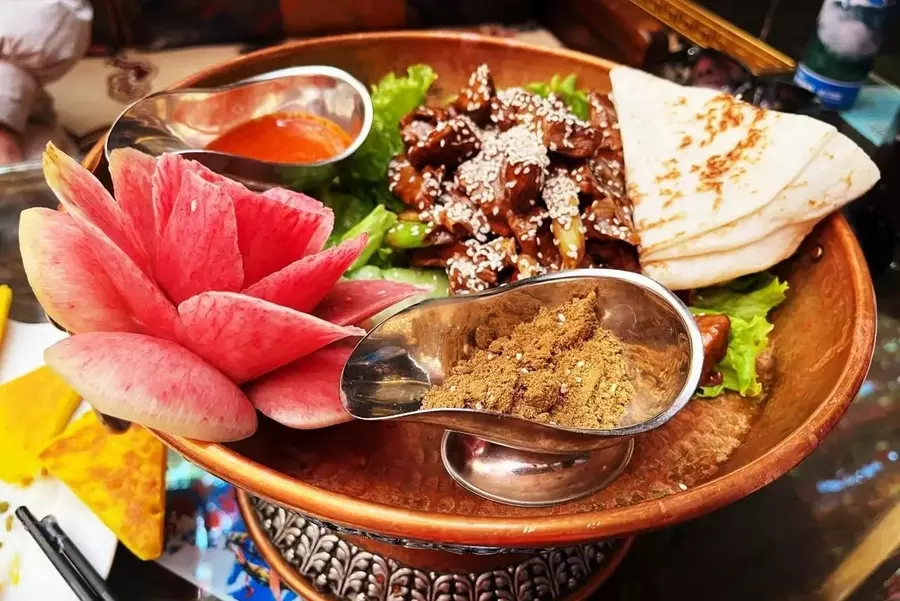
For food safety, it is generally recommended to choose clean and reputable restaurants, especially during the first few days of your trip while your body is still adjusting to the high altitude. While street food is available in some areas, travelers are advised to be selective and pay attention to hygiene conditions when choosing where to eat.
In terms of drinking water, tap water in Tibet is not recommended for direct consumption. Bottled mineral water is widely available in Lhasa and major tourist areas and is the safest and most convenient option for daily hydration.
It is also advisable to take care of your stomach during the first days at high altitude, eat moderately, and avoid excessive alcohol consumption, as the body may be more sensitive during the acclimatization period.
6. Travel Etiquette and Local Customs
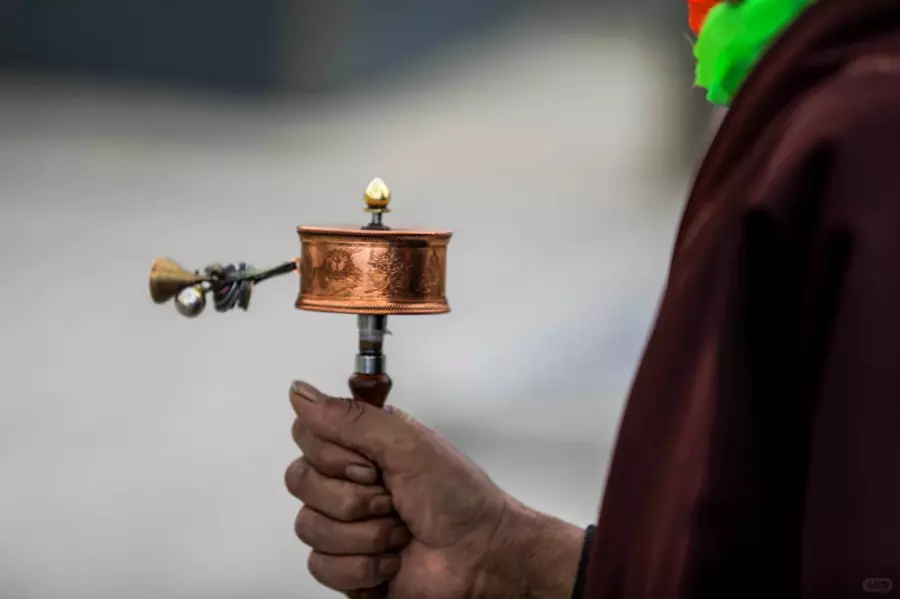
When visiting monasteries and religious sites in Tibet, travelers are expected to show respect for local customs. It is recommended to dress modestly, remain quiet inside religious areas, and follow the clockwise direction when walking around religious structures such as stupas and prayer wheels.
Photography rules may vary depending on the location. In some monasteries or temple halls, photography may be restricted or not allowed at all, so it is always best to ask for permission before taking photos of monks, local people, or sacred interiors.
It is also important to be mindful of personal behavior in religious environments. For example, avoid touching religious objects, chanting instruments, or ritual items unless invited to do so, and always follow the guidance of your local guide when visiting monasteries.
Respecting local customs not only shows cultural awareness but also helps ensure a smoother and more positive travel experience throughout Tibet.
7. Medical Facilities and Health Support in Tibet
Lhasa, as the most developed city in Tibet in terms of healthcare, has several general hospitals and basic emergency medical services. These facilities are capable of handling common travel-related health issues such as altitude sickness, colds, or stomach discomfort. For most travelers, minor health problems in Lhasa and other main tourist areas can usually be treated in a timely manner.
However, in more remote regions or along high-altitude travel routes, medical resources are more limited, and hospitals may be far away with relatively basic facilities. For this reason, it is not advisable to delay treatment if any serious discomfort occurs during the journey. Travelers should inform their guide or tour staff immediately and seek medical attention at the nearest available facility.
It is also recommended to bring some basic medications before traveling, such as cold medicine, stomach medicine, fever reducers, and any personal prescription drugs. During the trip, travelers should take care to stay warm, avoid overexertion, and reduce unnecessary physical strain in the high-altitude environment.
8. Is Tibet Politically Safe for Foreigners?
Yes, the region is closely managed under China’s national travel system, which means all international tourists are required to travel with an approved itinerary arranged through a licensed travel agency.
All foreign travelers must obtain a Tibet Travel Permit before entering Tibet. In practice, this organized travel system helps ensure a smooth and well-managed travel experience. Foreign visitors must join guided tours, which include pre-arranged transportation, accommodation, and permits. This reduces the risk of misunderstandings or logistical issues during the trip.
Travelers should also be aware of local regulations regarding what can be brought into Tibet. It is advisable not to carry materials that may be considered politically sensitive, including books, photos, or publications related to sensitive political figures or topics.
In addition, visitors are expected to avoid discussing political subjects during their trip, especially in public spaces or with people outside their travel group. Following these guidelines helps ensure a smooth and trouble-free travel experience throughout Tibet.
9. Wildlife Safety in Tibet
Tibet is home to a rich variety of wildlife, including species such as brown bears, Tibetan antelopes, and snow leopards in remote areas. While the region is often described as a natural habitat for wild animals, most travelers will not encounter dangerous situations during their trip.
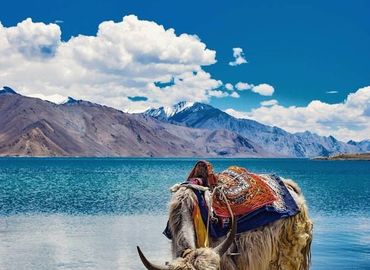
For safety reasons, it is not recommended to approach or feed wild animals. In rural and pastoral areas, some households keep Tibetan mastiffs and yaks, which can behave unpredictably if they feel threatened. Travelers should always keep a safe distance and avoid sudden movements near animals.
When traveling in remote natural areas, it is best to join a guided tour rather than exploring alone. Local guides are familiar with the environment and help ensure a safer travel experience.
Conclusion
Tibet is generally a safe destination for travelers who are well prepared for high altitude conditions and follow local travel regulations. While challenges such as altitude, weather, and long-distance travel should be taken into consideration, most visitors complete their journey safely and without major issues.
Email response within 0.5~24 hours.